Wilder, not Faster
What part of your thinking has been domesticated by process, consensus, or habit?

A Prompt for the Week 💭
What part of your thinking has been domesticated
by process, consensus, or habit?
Not everything that accelerates deserves to be followed. This week’s signals point elsewhere: toward wilder questions, deeper human capabilities, and leaders equipped with capabilities to navigate complexity rather than chase speed.
📌 The Future of Creativity is Wilder — IDEO
The pioneering firm behind the popularization of design thinking makes the argument that when idea generation becomes cheap and fast, the value migrates to the question, the context, and the judgment about what’s worth making at all. “Wilder” is a claim about where the creative frontier is moving. The designers who thrive won’t be the most technically fluent with AI tools. They’ll be the ones with the most interesting problems.
Of course, more people making more things isn’t automatically good. Some of what AI enables does create meaning or value: people finding expression across languages, mediums, and skill gaps they couldn’t cross before. But too often, people use these tools just for volume. “Fast food creatives” are creating, but they’re not creative.
If we want the next generation of technology to support the next generation of society, the difference matters. Supporting people in evolving their craft and doing better, deeper, more imaginative work is the point. Strip-mining labor and creativity to produce more isn’t. It also isn’t a particularly good strategy for expanding our society’s capabilities and economic future.
📌 Why the Future of AI Must be Human-Centric - SXSW
We’ve spent decades optimizing for the kind of intelligence that fits on a screen: analytical, explicit, transferable. AI turns out to be very good at exactly that. AI scientist, entrepreneur, and investor Rana el Kaliouby brings the provocation that we’ve simultaneously been letting other forms of intelligence atrophy: the kind that lives in the hands, the gut, the body moving through the world. If AI is absorbing the analytical layer, the highest-leverage move for humans isn’t to compete there. It’s to double down on what embodied intelligence can do that no model can replicate.
📌 The futurist who helped define tech trend reports just killed them - Fast Company
Amy Webb, whose firm helped define the concept of annual trend reports, showed up to SXSW in a black cloak to bury it. The format, she argues, is too static for a world moving too fast: by the time the PDF lands in your inbox, parts of it are already wrong. What she’s replacing it with is more useful and more demanding. Instead of tracking individual trends, she wants leaders to track convergences — what happens when AI, energy, robotics, biotech, and geopolitics collide at once. Her metaphor: trends are weather data points, convergences are the storm systems they form. And most organizations, she warns, are still reading yesterday’s forecast.
Trends are only the signals. “Trend tells you what’s changing,” she explains to the crowd. “A convergence tells you what’s going to become inevitable.”
Her framework borrows from meteorology. If trends are individual weather data points, Webb tells the SXSW audience, convergences are the storm systems that form when those forces collide. Companies that want to prepare for the future, she argues, need something closer to a storm tracker than a static report.
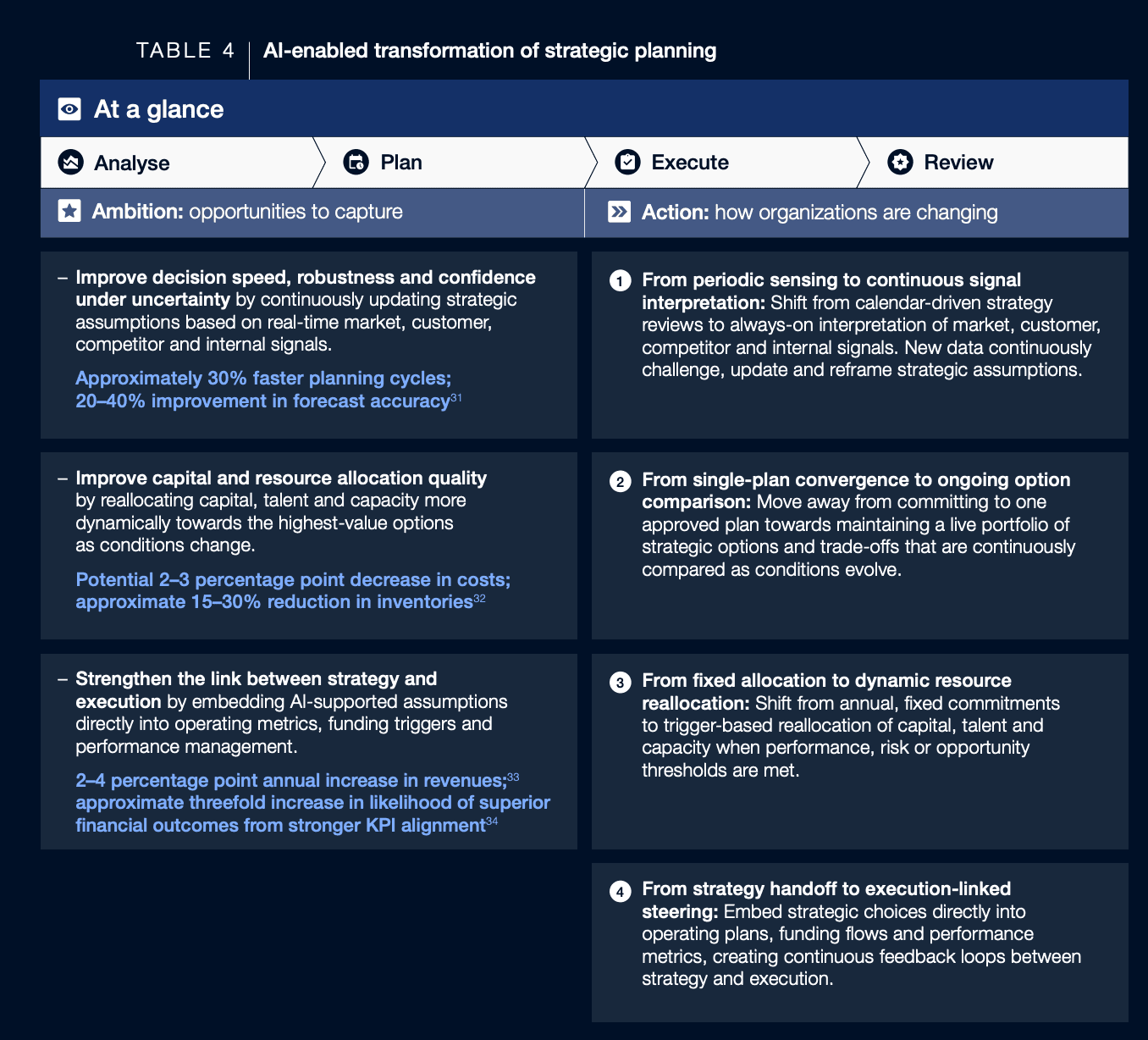
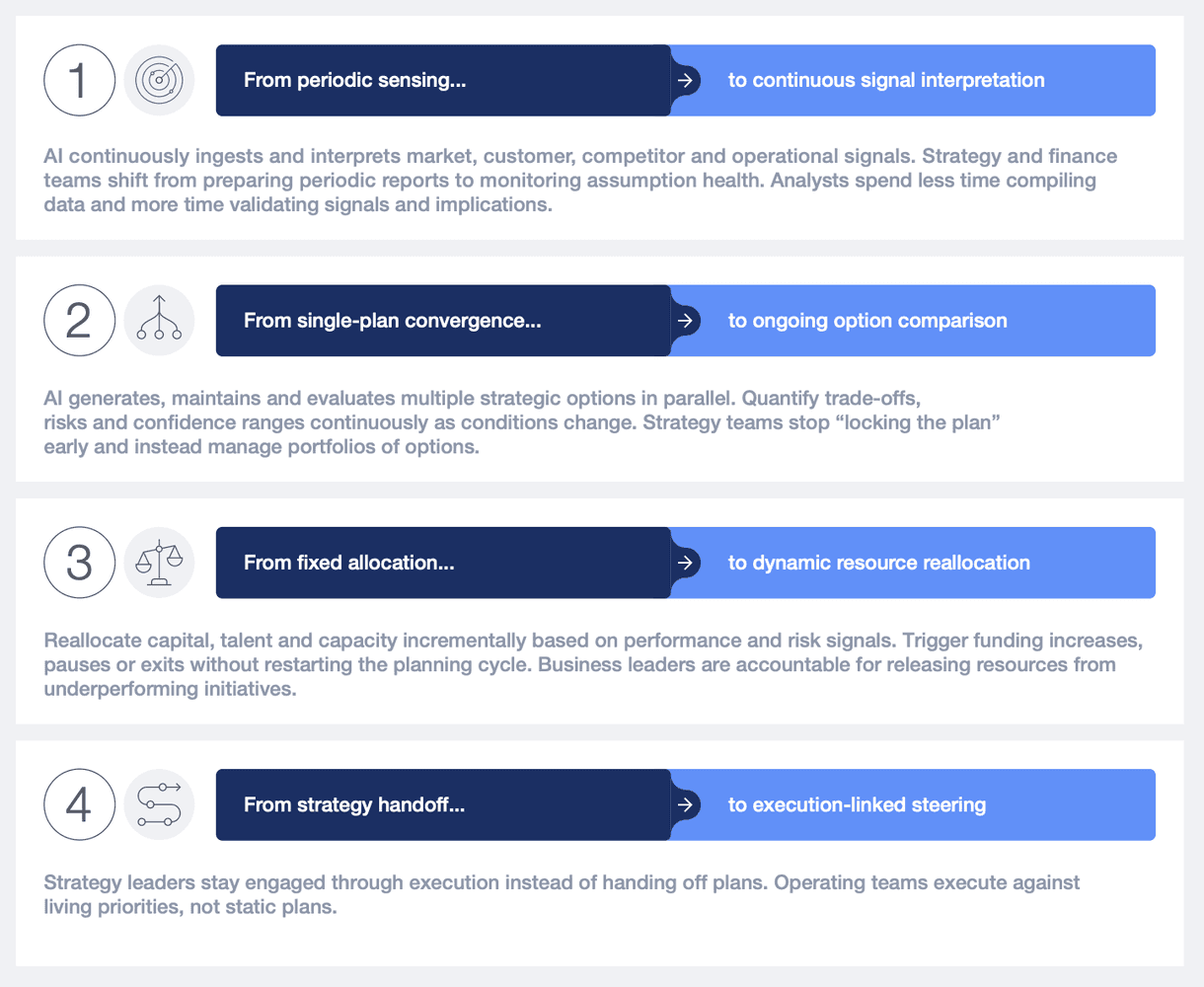
📌 Organizational Transformation in the Age of AI: How Organizations Maximize AI’s Potential - World Economic Forum
This WEF report offers a practical, executive-level view of what transformation looks like on the ground, drawing on real-world case studies. The most interesting framing: AI doesn’t transform organizations. It’s the leaders who restructure around AI who do. The gap between companies getting real value from AI and those running expensive pilots isn’t mostly technical. It’s cultural and structural. An insightful read exploring new operating models, evolving roles of leadership, human-AI collaboration, and the growing importance of AI governance and orchestration.